

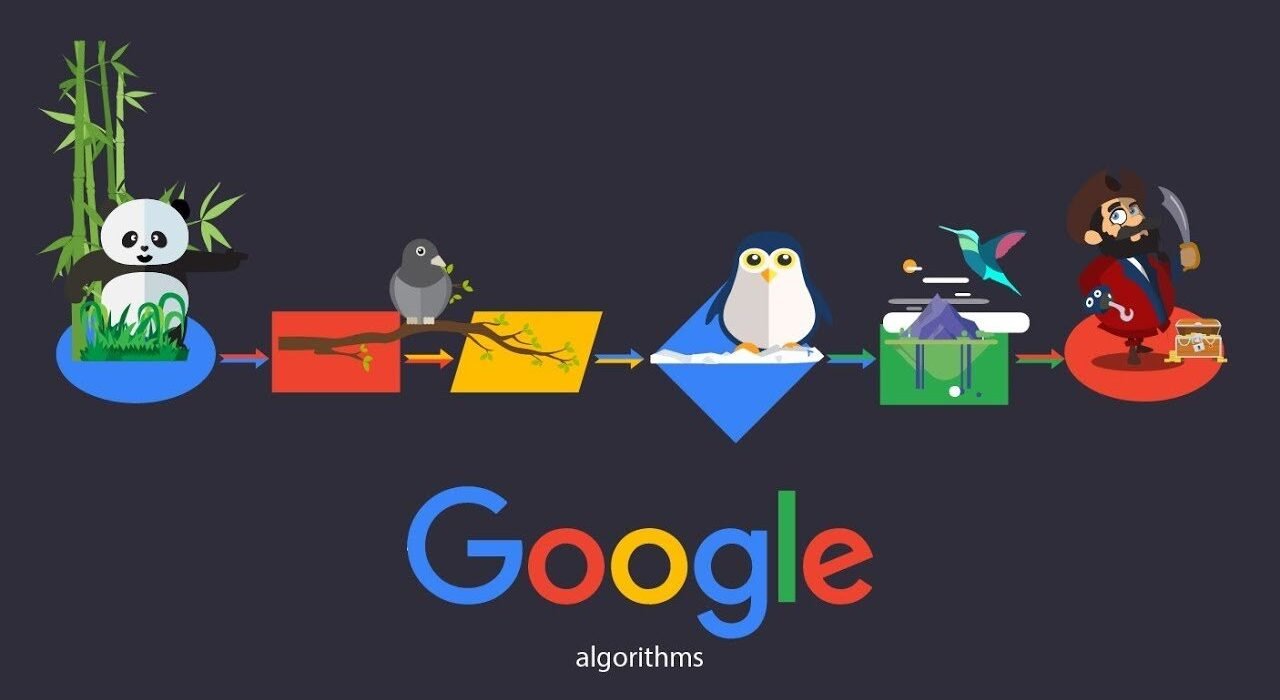
The Google Algorithm Update relies partially on keywords to help determine page rankings, though it operates through a highly complex system. This system retrieves information from Google’s vast search index and evaluates multiple signals to deliver the most relevant results for each search query. As one of the most widely used search engine platforms, Google frequently introduces algorithm updates to improve search accuracy and enhance user experience. These updates are designed to refine how content is evaluated, which means they can sometimes have a positive or negative impact on search rankings depending on how well a website aligns with updated ranking criteria. In order to know about such updates and how they work take a look below:
-
Panda
Launch Date: February 24, 2011
How It Works: The Google Panda update is a search filter developed to prevent websites with poor-quality content from appearing in top positions within Google’s search results. Its primary goal is to promote high-value, relevant, and trustworthy content while reducing the visibility of pages that offer little usefulness to users. The Panda update is refreshed periodically to maintain content quality standards across search results. This update functions as a filter that evaluates content based on factors such as originality, depth, relevance, and overall user value. Websites that rely on thin, duplicated, or low-quality content may experience reduced visibility, while pages that offer informative and well-structured material are more likely to perform better. The update was named after one of Google’s engineers, Navneet Panda, who played a key role in its development.
-
Penguin
Launch Date: April 24, 2012
How it works: Penguin is filter that is designed to penalize website that have bad link building techniques and keyword stuffing. It designed primarily to boost Google ranking. Google intended this update to fight webspam. It is not a penalty just an Algorithm update that causes sites to be devalued or filtered. To stay safe from the effects of the google penguin update monitor your link profile growth and run regular audits with a back link checker Like SEO SpyGlass.
-
Humming Bird
Launch Date: August 22, 2013
How It works: Humming Bird Helps google Better Interpret search Queries & provide results that match searcher intent. It makes it possible for a page to rank for a query even it doesn’t contain the exact words the searcher entered. This is achieved by natural language.
-
Mobile
Launch Date: April 21, 2015
How It Works: This Algorithm Have shifted the focus from a desktop to a mobile version of your website. Today Google ranks website based on how fast and user- friendly their mobile version is how fast they open on mobile. It will Optimize your pages on Mobile search and will focus more on speed and usability. It will also help you to see which aspects of your page needs to improved more.
-
RankBrain
Launch Date: October26, 2015
How It Works: RankBrain is a part of Google algorithm Humming Bird. It is a Machine Learning System that helps google to understand the meaning behind queries and will serve you the best results response to the queries you entered. It will also help you to to optimize your pages for relevance and comprehensiveness with the help of competitive analysis.
-
Possum
Launch date: September 1, 2016
How It Works: It is a set of Different algorithm whose main purpose is to identify and penalize the website that uses search engine spam techniques to improve their ranks and traffic.
Conclusion:
Each and every Google Algorithm Update’s main motive is to solve confusion and problems of customers and provide them the best desired results. Therefore they update continually for the satisfaction of its customers. In case you don’t have knowledge about them and doing SEO of your website with proper knowledge then it will affect your ranking and will give you zero results. In that case you have to consult an experienced and trustworthy SEO company that will help you to manage your projects in a proper way.